
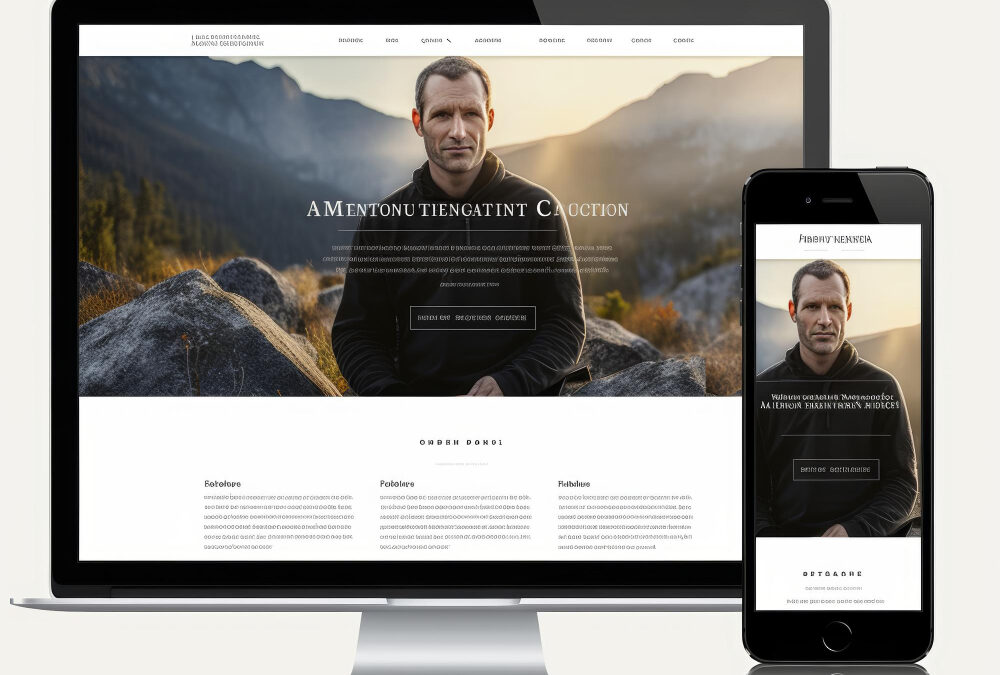
Create A Startup Website, a startup founder, you spend thousands of hours thinking about how tech startups should build their online presence via the right domain name, colour scheme, features, and the proper development stack. Startup websites are the primary representation of a brand. A study shows that having a website with a “high-end design” can increase conversion rates by up to 400%. You can start by building a stepping stone through a startup website. The first impression is significant and paves the way for potential customers to choose you over your competitors. This is why you should consider every single detail of your website design. The goal and audience determine every aspect of a startup’s online presence, from the colour scheme and the logo design to the overall website layout. Haphazardly diving into building a website for your tech startup can cause you to lose valuable customers. Understanding who you’re building your startup for is critical to its relevance, success, and sustainability. Consider the following when formulating your website: Are you addressing small businesses, big corporations, artists, shopkeepers, etc.? Who are they in real life?
Planning Your Website
Create a specific plan of where you want your website to go. This means understanding the aim of your startup and determining a few key elements vital to the potential success of your website. To do this, startups are encouraged to build detailed descriptions of a typical user. You must clearly define what a user might do on the website and how it will suit your project. At this point, it is also essential to outline your goals. Documenting clear website goals helps keep focused on the required content and features and helps achieve initial success metrics. Ask yourself what the end goal for your website is and how you can achieve those goals.
Research your competition and see what online standards the industry has set. Ask yourself what features and information your website should provide and how it differs from others in the same industry. Create a budget and step-by-step timeline for your project. How much is too much, and can you create your website? While cheaper alternatives might sound better, they may cause irreversible harm to your project in the long term due to substandard work. Creating a budget helps narrow the field of possible development companies and may shed insight into ongoing support and hosting costs. Start conversing with other startups and individuals in the web design industry. Ask what solutions have worked for them and what can be done to ensure your project is successful. Finally, a project plan will be created, and all development steps will be documented. This step is critically important in avoiding confusion and setting proper expectations. Contacting a development company to help navigate these ideas and create a more thorough plan is also a good idea. By planning for your website now, you can avoid failure.
Design and Development Process
Design and Development
We’re going to dive right in there with UX and UI design. This is recruitment for your website. With increased online businesses and competition, having a “pretty” website is no longer enough. Users are now expecting a high level of UX and UI design. Personal branding and a visually attractive website are essential, but not at the expense of lousy user navigation and experiences.
UX design is the layout of your bones: what the website even is. It’s the blueprint: navigation, site structure, etc. UI design is the skin of the website. It’s the brand elements: images and content. It’s the story’s moral: what it feels and looks like. Website development is all the technical work that goes into constructing your website. This can seem like building a house, with the developer having to create the walls and add electricity and plumbing. Many development decisions and steps come down to developers’ personal preferences. Development tools and platforms are also significant constraints. A developer may be excellent at coding websites but could be more fluent in any other web language.
The beauty of development is the blend of custom coding and commercially available premium plugins and tools. Say we had an idea to have an email pop-up form. The requirement is clear, but there are many paths to the same destination:
- A custom-coded form.
- An embedded signup form.
- A commercially available widget that we could add to our website.
Having someone proficient in both custom and commercial aspects can allow for the precarious decision of which route will best fit the company’s current and future needs. Once the designs and development are in agreement, you can start the coding. It works well to have the designer come and sit with the developer while they finesse this stage.
A large part of web development is communicating back to the designer what can be built, and often, things need to be adjusted. Prototypes are frequently tested in the wild when both UI and UX are designed. Prospective users are directed to the prototype and asked to provide feedback. This is a great way to hear from potential clients directly to refine specifications before development.
Adding Essential Features and Content
At this point, you should have a website backbone with some features and content. You can do much more to make the startup website engaging and consumable. Features such as a contact form and a live chat widget are essential for user interaction in web development. Other elements, such as a blog and social media integration, can keep the visitor engaged with your website or startup after they have left your webpage! As a startup, the website’s content should look and act like an extension of yourself. It can feel personal, informal, and full of passion.
Nowadays, search engines require websites to have a large amount of quality content to appear in someone’s search results. For this reason, startups add a blog or news feed to their website with two blog posts conceptually enriched at launch. Moreover, startups should also expect to spend much of their precious time writing engaging content for users. The content should convey your message in an understandable, relatable, engaging, and unique way. Search engine optimisation strategies should be considered in the initial design stages to make the startup website visible on search engine result lists.
It is important to continuously keep your website updated regarding relevant information, features, blog posts, and media updates to maintain or increase your users’ interest in your startup. One website feature that startups often overlook is website accessibility, which ensures your startup website is accessible to everyone, irrespective of disability. To measure and understand more about the feedback and activity on your website, using tools to track your website’s performance, user traffic, and usage can be helpful for future decision-making on your website.
Launching and Promoting Your Website
The most critical task is launching a website and promoting your product. Firstly, here’s the checklist of the features to ensure everything works correctly:
- Create a friendly 404 error page.
- Redirect any unpreferred domain to one favoured domain.
- Use a website monitoring tool to ensure that the website is always available.
- Incorporate your website with an analytics tool.
- Use a search console.
- Launch a website with a sitemap.
- Be aware of troubleshooting errors or glitches on the website.
- Launch all pre-planned content, such as a blog and more.
- Launch mission-critical pages or pages that provide substantial value, such as design templates or some crucial resources.
The most critical aspect of launching a startup website is spreading the word to the target audience. Here are some tactics to aid you in doing so. Advertise your product on professional networks, where an educated market participates in business-related conversations.
Engage with influencers who are relevant to your startup. Record a captivating video interview and launch it on a video platform. Use at least one suitable platform to reach your audience. Make deliberate efforts to endorse your startup. Launch your product—guest posts on well-known websites to attract significant readership. Use a step-by-step guide to gaining exposure. Go where your audience resides; place links to your website where they can find them. Spend an entire day promoting your startup via platforms with the type of users you want to reach. Run paid social media advertisements to promote your startup. Run paid advertisements on various other web platforms to promote your startup. Use paid search advertising to guide prospective clients to your startup. Creating fresh content after launching your website can bring you new users and get them to spread the word to others. Produce a newsletter or email update of your material and mail it to your audience. By establishing a good presence on social media as soon as your website has launched, you can leverage public relations to benefit your startup. Qualify your audience and figure out how to connect with them. Visit meetups, network with the local tech community, and discuss your new venture. Use social networks to tell people you already know about your startup. You never know: friends could turn out to be candidates or potential clients after you have launched your website.
Afterwards, use your freshly minted network to promote your product by word of mouth. In addition, after your website launch, it is essential to weigh up your performance; the information you gather from your website can inform your marketing. Use analytics with your CMS’s native analytics tool to keep track of visitors and leads. Spot problematic areas on your site. Find ways of increasing your search rankings. Look at ways to improve your website with user-generated feedback. Acquire data from your neglected audience. Regularly communicate with your audience, both existing prospects and repeat customers, by using newsletters and updates. Also, their secure feedback will help you better guide your new material.